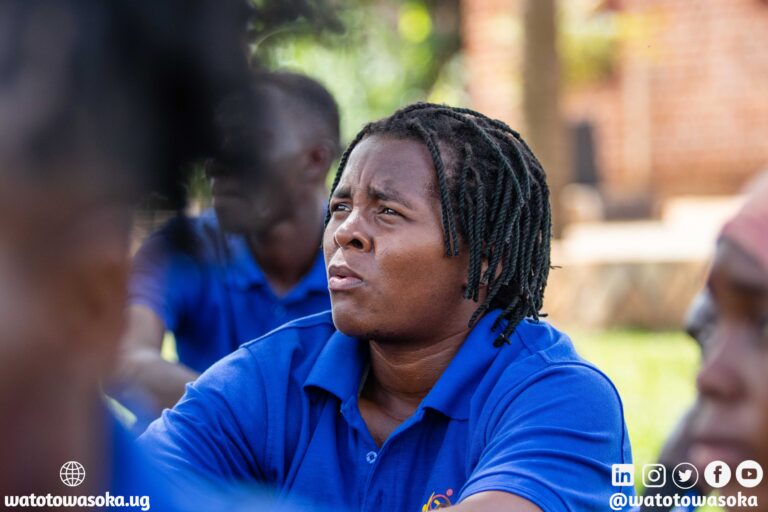
Building Capacity for Change: Teacher Training on Menstrual Health and Hygiene in Schools
Watoto Wasoka and Viva con Agua Uganda equipped 19 teachers from 10 schools with knowledge, practical skills and confidence to deliver menstrual health education through play.
Menstrual Health and Hygiene is still surrounded by myths, stigma and silence. It affects learners’ dignity, confidence, participation, and educational outcomes, especially adolescent girls.
Without knowledge or supportive adults, learners struggle to manage menstruation confidently or participate fully in school and sports.
Watoto Wasoka, in partnership with Viva con Agua Uganda, conducted a three-day Teacher Training of Trainers (ToT) under the Menstrual Health and Hygiene (MHH) Through Play Pilot Project to help address the challenges faced by the learners and strengthen teachers’ knowledge of menstrual health hygiene and build the capacity to facilitate MHH Through Play sessions in their schools.
The training took place from 22nd-24th June, 2026 at King Jesus Church in Lungujja-Nabisasiro. The training equipped teachers with practical skills for creating safe, inclusive, and supportive learning environments, strengthened their skills in addressing menstrual stigma, myths, misconceptions, and harmful social norms.
Preparation for teachers to lead
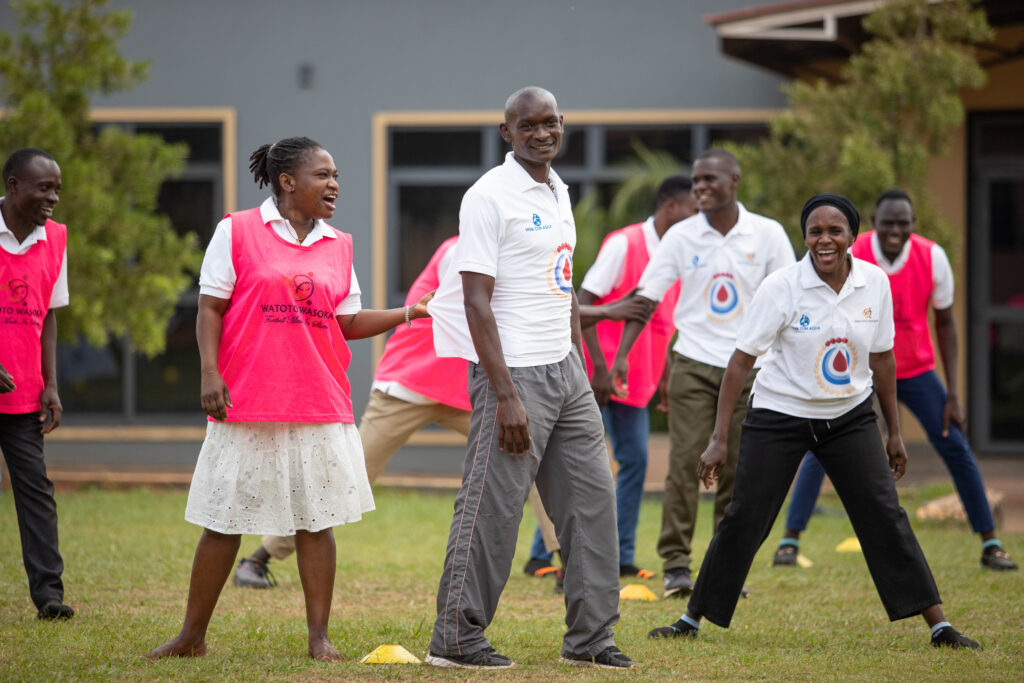
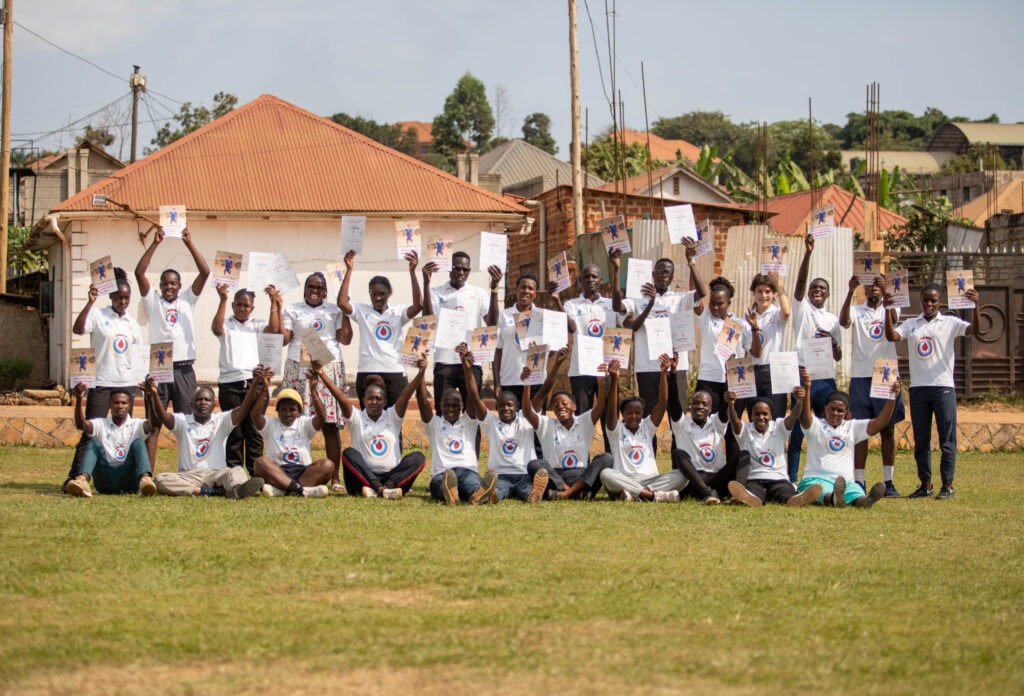
10 male and 9 female teachers from 10 pilot schools were among the nineteen teachers that took part in the program.
12 teachers from Wakiso
7 teachers from Kampala
Helping students who are menstruating shouldn’t be seen as the exclusive domain of women and girls. Involving teachers of different genders fosters more supportive learning environment and whole-school ownership.
The training aimed to:
strengthen teachers’ understanding of menstrual health and hygiene;
prepare them to facilitate learner-centred sessions;
help them address menstrual myths, stigma and harmful social norms;
improve their ability to create safe and inclusive spaces for learners; and
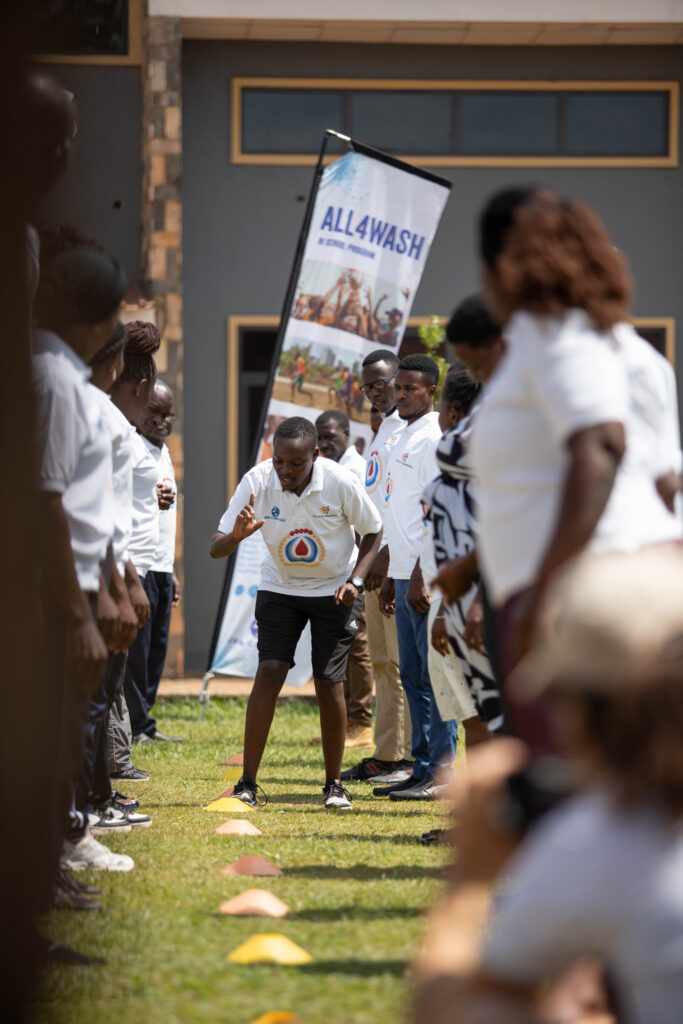
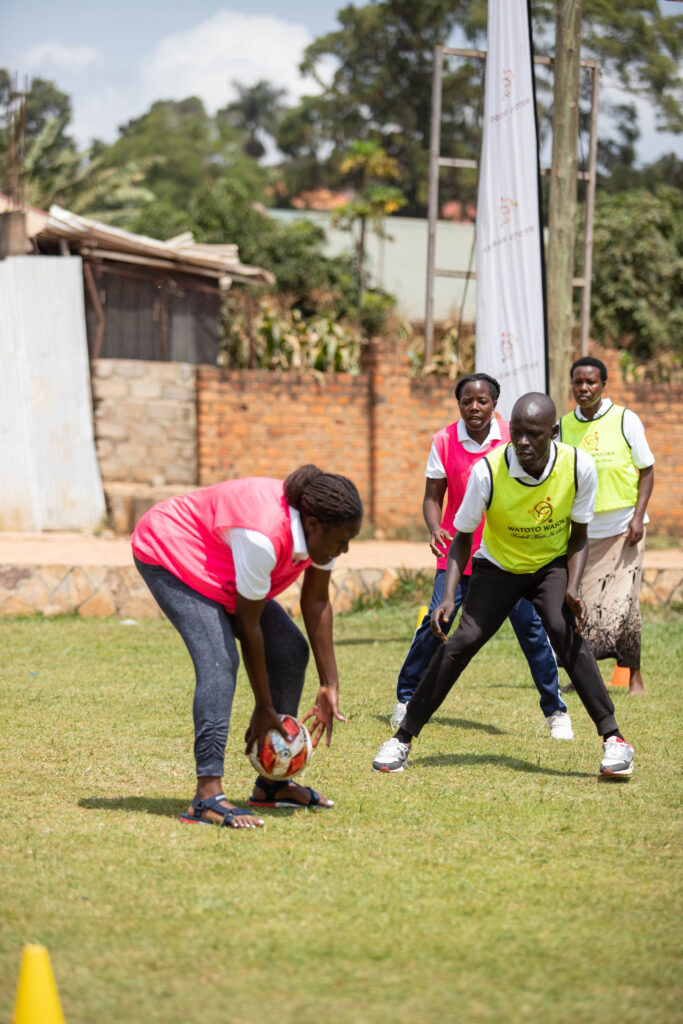
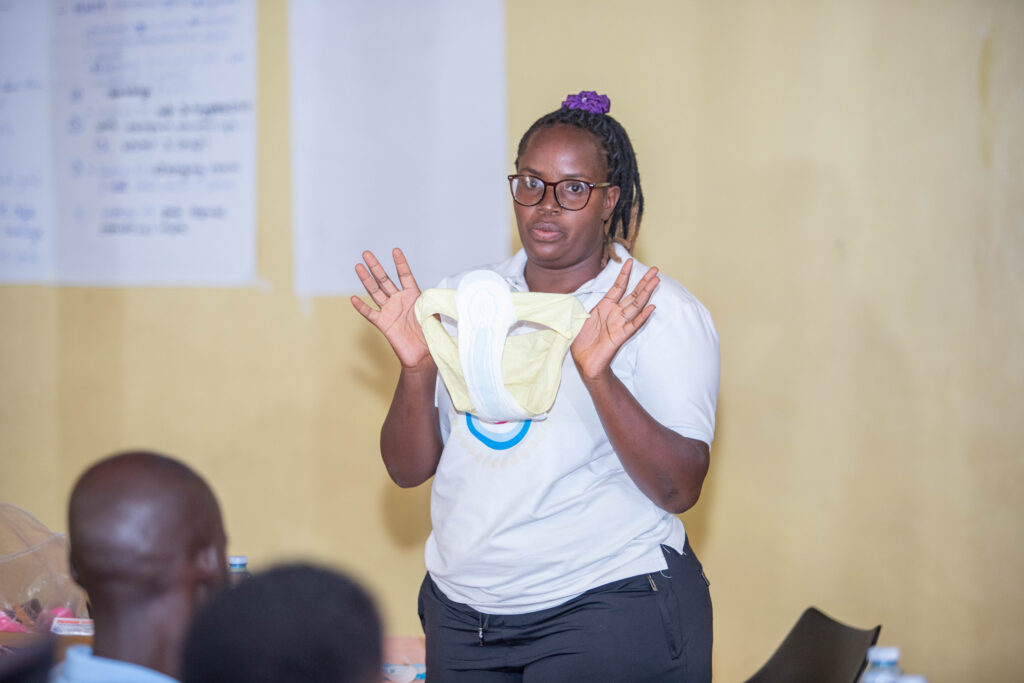
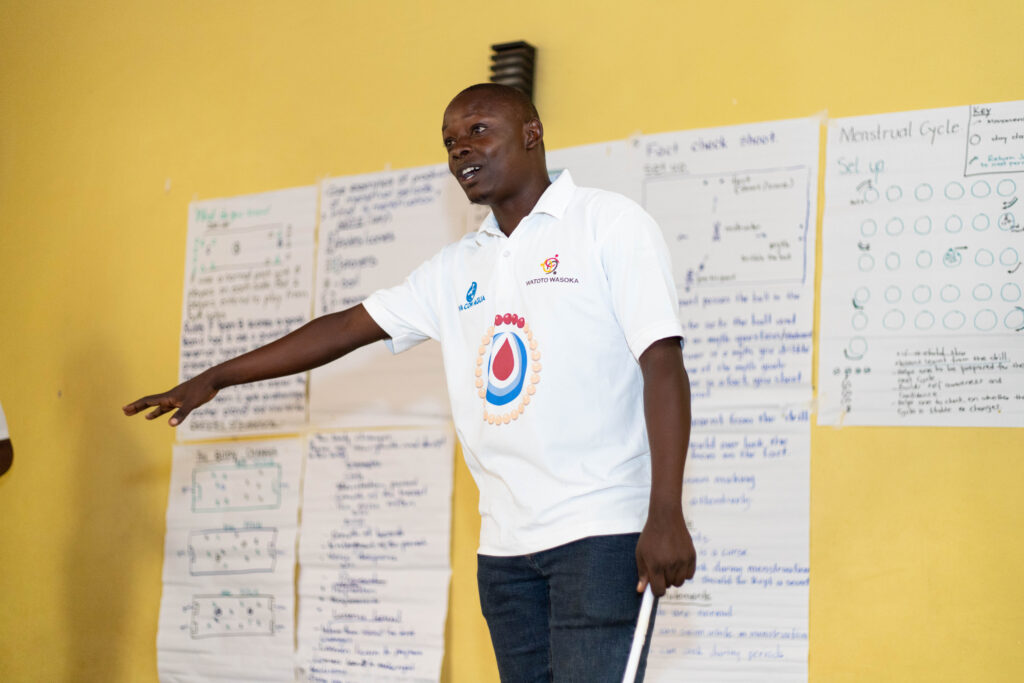
Games, demonstrations, group projects, and hands-on facilitation exercises were all incorporated into the training.
Teachers discussed typical beliefs and misconceptions, puberty, menstruation, and the menstrual cycle on the first day. In order to determine their current knowledge, attitudes, and confidence levels, they also finished a pre-training evaluation.
Menstrual hygiene management, accessible menstrual products, proper hygiene practices, and strategies for assisting students in managing their periods with dignity were the main topics of discussion on the second day. In order to facilitate the discussion of delicate subjects in an interesting and age-appropriate manner, teachers took part in interactive activities.
On the last day, participants worked in groups to show how they would organise and lead the events in their respective schools. They took part in safeguarding training, finished the remaining practical exercises, and completed a post-training evaluation. All ten of the MHH Through Play Manual’s drills had been practiced by the teachers by the end of the three days.
From participation to measurable change
Their knowledge, attitudes, and confidence all clearly improved between the pre- and post-training evaluations.
Prior to the training, 74.7% of participants showed sufficient understanding of menstrual health and hygiene principles; by the end of the session, that number had risen to 100%. Teachers’ attitudes toward women’s menstrual health improved from 76.3% to 97.4% as a result of their increased support for open conversations about menstruation and for girls to continue participating in sports and school while they were menstruating. Teachers’ trust in their capacity to lead MHH Through Play sessions increased from 63.2% to 100%, in addition to improvements in attitudes and understanding regarding menstrual health.
These findings demonstrate the value of combining accurate information with practical and experiential learning. Teachers were not only given material to read; they practised how to communicate it, respond to learners and lead activities independently.
Menstrual health is everyone’s responsibility
The active involvement of male professors during the talks and practical exercises was one of the most positive impressions.
Male teachers expressed a great desire to support menstrual health programs in their educational institutions. Meaningful discussions regarding shared responsibility were also sparked by the almost equal participation (52.6% male and 47.4% female).
Teachers, school administrators, parents, boys, girls, and the larger community must all participate in building supportive schools. Women and girls should not be the only ones who discuss menstrual health.
Ready to take learning into schools
All participants received certificates at the end of the course, and the ten schools received sporting goods.Additionally, each school created an implementation plan detailing how it would start offering MHH Through Play sessions in July 2026.
As implementation moves forward, the Watoto Wasoka and Viva con Agua Uganda will continue to offer technical assistance, carry out monitoring visits, and keep tabs on participation. What changed for participating teachers and students will subsequently be ascertained through an endline assessment and learning review.
Thus, the activity did not end with the Teacher Training of Trainers. It was the start of a larger process whereby knowledgeable and self-assured educators will assist students in comprehending menstruation, combating stigma, and managing period health with dignity.
We are aiming toward schools where every student feels informed, supported, and able to fully participate by utilising play to make delicate talks realistic and approachable.
Training is what we did. Safer, more supportive schools are the change we hope to create.
Help us create schools that are more supportive and healthy. Discover how qualified educators are teaching menstrual health and hygiene through play sessions in their communities by following Watoto Wasoka.